
Creating content that performs well in search engines requires more than simply adding keywords. Successful SEO content focuses on helping readers, answering their questions, and providing a smooth experience that keeps them engaged. Search engines reward content that is useful, well-structured, easy to understand, and genuinely valuable.
The first priority should always be your audience. Before writing, understand what your readers are looking for, what problems they want to solve, and what information they expect to find. Keywords can help guide your topic, but they should be included naturally. Overusing keywords makes content difficult to read and can reduce trust. The goal is to create content that feels written for people first, while still being easy for search engines to understand.
Use keywords in important areas of your content where they make sense. Including your main topic phrase in headings, the introduction, body sections, and conclusion can help search engines recognize what your page is about. However, keyword placement should support the content rather than interrupt the natural flow of the writing.
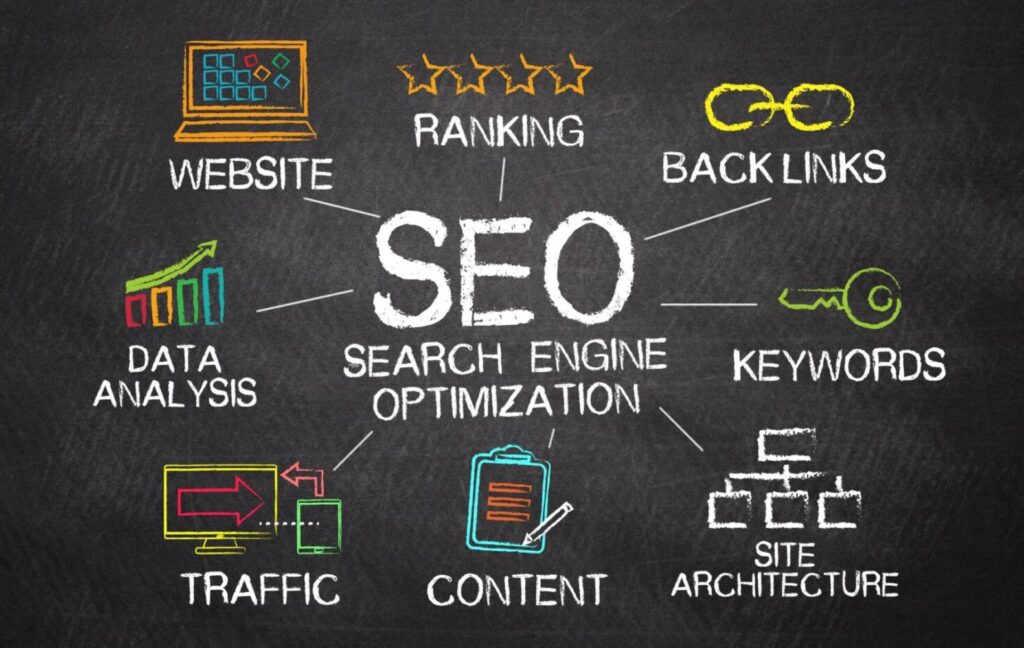
Great SEO content is built around real questions from your audience. Research what people are searching for and create content that provides complete answers. Understanding common questions allows you to create articles, guides, and resources that match search intent and provide more value than competing pages.
Organizing your content clearly improves both user experience and search performance. Break large sections into smaller parts using descriptive headings, short paragraphs, bullet points, and highlighted key ideas. Readers should be able to quickly scan your page and understand the main points without feeling overwhelmed.
Strong subheadings make content easier to navigate. They help visitors find the information they need and allow search engines to better understand the structure of your article. Writing headings that clearly describe each section can also increase the chances of appearing in featured search results.
Your meta descriptions should encourage people to click on your page from search results. A good description briefly explains what the content offers, highlights the benefit for the reader, and includes relevant keywords naturally. Using action-focused words can make the description more engaging and increase click-through rates.
Images also need optimization. Adding descriptive alt text helps search engines understand visual content and improves accessibility for users who rely on screen readers. Proper image descriptions make your website easier to use while creating additional opportunities to appear in image searches.
Page titles are another important SEO element. A strong title should include the main keyword while also giving users a reason to visit the page. Instead of creating a simple title that only describes the topic, focus on the value the reader will receive, such as learning something new, solving a problem, or finding a complete solution.
Visual content can make written information more effective. Images, charts, screenshots, videos, and infographics improve readability and help explain complex ideas. They also encourage visitors to spend more time on your website, which can send positive signals about content quality. Valuable visual resources may also attract links from other websites, helping improve authority.
Keep website URLs clean and simple. Short URLs that clearly describe the page topic are easier for users to understand and easier for search engines to process. Avoid unnecessary words, long phrases, and outdated details that could become inaccurate after future content updates.
For video content, adding transcripts can improve visibility. Search engines cannot fully understand video in the same way people do, but transcripts provide text-based information that helps them understand the topic and connect the video with relevant searches.
Internal linking is another powerful SEO technique. Linking to related pages within your website helps visitors discover more useful information and encourages them to stay longer. It also helps search engines understand how your content connects and shows that your website covers topics in depth.
The strongest SEO content strategy combines helpful information, smart keyword usage, clear structure, strong visuals, and a focus on user needs. When content is created with both readers and search engines in mind, it has a better chance of gaining visibility, building trust, and generating long-term results.