
A powerful website does more than display products or services. It communicates who a business is, builds trust, guides visitors, and creates a memorable experience. Strong website branding combines strategy, design, messaging, and user understanding to create a digital presence that attracts the right audience and encourages meaningful action.
The first step in creating effective website branding is prioritizing the user experience. A website should not only look professional but also feel intuitive and easy to use. Visitors should quickly understand what the brand offers, why it matters, and what action they should take next. This requires a deep understanding of customer expectations, challenges, motivations, and goals.
Before designing the interface, research your audience carefully. Analyze customer feedback, study common questions, and identify the problems your visitors are trying to solve. Create detailed customer profiles that highlight their needs, preferences, and frustrations. This information helps shape everything from website structure and messaging to visuals and conversion strategies.
A great user experience should feel effortless. The website should guide visitors naturally through the buying journey instead of forcing them to search for information. Regular usability testing, feedback collection, and improvements help remove obstacles and create a smoother interaction.
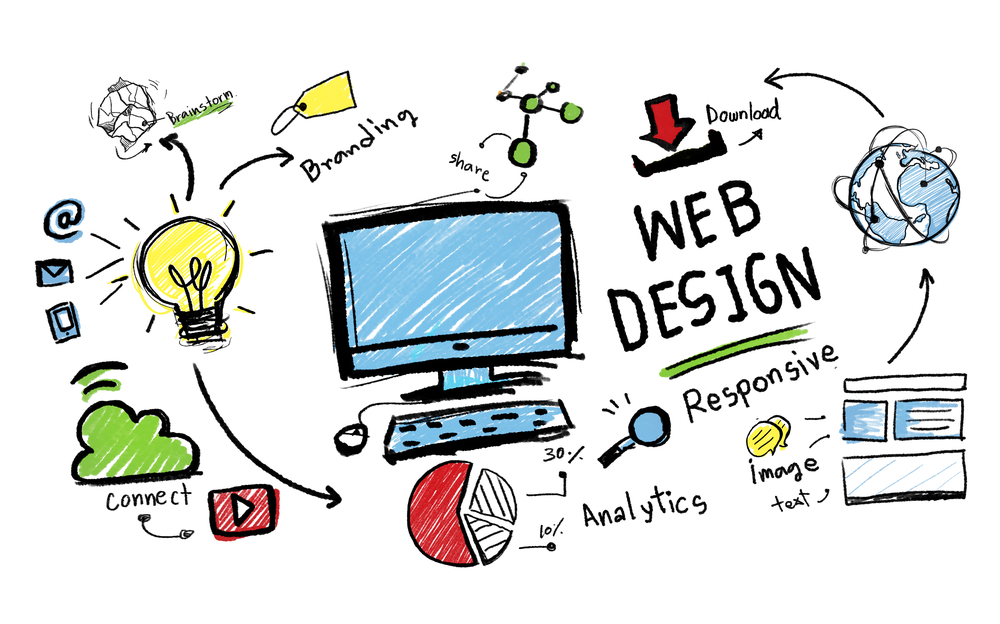
Another important branding principle is being clear about who your business serves. Trying to appeal to everyone often results in generic messaging that connects with no one. A strong brand understands its ideal customers and communicates directly with them.
A focused website should make it obvious who benefits most from the product or service. Clear messaging helps attract qualified visitors while discouraging people who are not a good fit. This saves time, improves lead quality, and creates stronger relationships with the right audience.
Understanding your ideal customer means using language they recognize, addressing their challenges, and explaining solutions in terms that matter to them. A brand does not need to appeal to everyone—it needs to become highly relevant to the people it is designed to help.
Trust is one of the most valuable parts of any website. Visitors are more likely to engage with a company when they see evidence that others have had positive experiences. Social proof provides reassurance and reduces uncertainty during the decision-making process.
Customer reviews, case studies, success stories, statistics, certifications, and recognizable trust indicators all help strengthen credibility. The most effective examples are specific because they show real outcomes rather than making general claims. Instead of simply saying a product works, demonstrate how it has helped others achieve measurable results.
Every brand also needs a clear personality and story. Businesses are not just collections of products and features; they represent ideas, values, and solutions to real problems. A strong website communicates why the company exists and creates an emotional connection with visitors.
Brand storytelling can be expressed through website copy, imagery, tone of voice, and visual style. The goal is to help visitors understand what makes the business different and why they should choose it. Authentic messaging creates familiarity and makes the brand feel more human.
Successful websites focus on customer problems rather than only promoting company achievements. Visitors usually arrive because they are looking for a solution, not because they want to hear a list of features. Effective branding identifies those challenges and clearly explains how the product or service can improve the customer’s situation.

Research your audience’s biggest frustrations and address them directly throughout the website. When visitors feel understood, they are more likely to trust the brand and continue exploring. The strongest websites position themselves as helpful problem-solvers rather than simply sellers.
Website structure also plays a major role in branding. A confusing layout can damage even the strongest brand message. Visitors should be able to find important information quickly without feeling overwhelmed by unnecessary elements.
A well-organized website uses simple navigation, clear categories, descriptive labels, and logical page relationships. The main menu should highlight the most important sections, while secondary information should remain accessible without creating clutter. Good structure creates confidence because users always know where they are and what to do next.
Consistency is another essential part of strong branding. A website should feel connected to every other place where customers interact with the business, including social media, advertisements, emails, and offline materials.
Consistent colors, typography, imagery, messaging, and tone help visitors instantly recognize the brand. Creating a brand style guide ensures that every communication follows the same visual and emotional direction. A consistent identity creates familiarity, and familiarity builds trust.
A successful website should also have a clearly defined purpose. Every page needs a specific goal, whether that is generating leads, encouraging purchases, sharing information, or guiding users toward a particular action.
Without a clear objective, visitors may become confused about what to do next. Strong calls to action, focused page layouts, and purposeful content help direct users toward meaningful outcomes. Every element on the page should support the main goal instead of competing for attention.
Visual design is an important part of branding, but it should always serve a purpose. Images, colors, animations, and graphics should strengthen the brand message rather than distract from it.
The best websites use visual elements strategically. A carefully chosen color palette can reinforce identity, while consistent imagery creates a recognizable style throughout the website. Too many design elements create confusion, but the right balance makes the brand more memorable and engaging.
Finally, strong website branding requires continuous improvement. A website should never be considered completely finished because customer expectations, technology, and market trends continue to change.
Regularly analyzing visitor behavior, testing different layouts, improving content, and updating design elements helps maintain effectiveness over time. Data-driven improvements reveal what works and what needs adjustment, allowing the website to evolve with the audience.
A successful branded website is built through continuous attention to users, messaging, design, and performance. When these elements work together, a website becomes more than an online presence—it becomes a powerful tool for building trust, attracting customers, and growing a business.